
Department of Earth and Environmental Sciences
Geophysics Laboratory at CUHK
We study earthquake, volcanic and Earth surface processes — and work to turn what we learn into better hazard mitigation and more sustainable development.
What we do
We are part of the Department of Earth and Environmental Sciences (opens in a new tab) at The Chinese University of Hong Kong (opens in a new tab), based in the Mong Man Wai Building on the main campus.
Our mission is to learn as much as possible about earthquake, volcanic and Earth surface processes — while enjoying the journey along the way. Our ultimate hope is to learn things that can help mitigate these potential hazards and contribute towards the sustainable development of society.
We are best known for applying machine learning to produce high-resolution earthquake catalogues, which become especially powerful when paired with advanced statistical methods to reveal features of fault systems and volcanic plumbing that would otherwise stay hidden.
Research
Five threads that run through our work
From deep-learning phase pickers to ocean-bottom seismometers, our projects share one instinct: push the resolution of the seismic record until the process reveals itself.
Machine learning applications in geophysics
Deep-learning pickers and classifiers that turn noisy continuous records into catalogues dense enough to resolve fault structure.
Read moreFault response to stress changes
How small, well-measured stress perturbations modulate slip behaviour, and what that reveals about fault friction.
Read moreDynamics of volcanic systems
Submarine and subaerial volcano seismology: microearthquakes, tremor, and seismo-acoustic signals that track magma.
Read moreLow-frequency and long-period earthquakes
Clustering and scaling of LFEs as a tracer for slow slip, and for fluid and magma movement at depth.
Read moreEarth surface processes and hazard cascades
Reading landslides, dam breaches and outburst floods out of the seismic record — and the earthquakes they trigger.
Read more
In the field
Where the data comes from
Volcano flanks, crater lakes, ridge crests and research vessels — a look at the group at work.
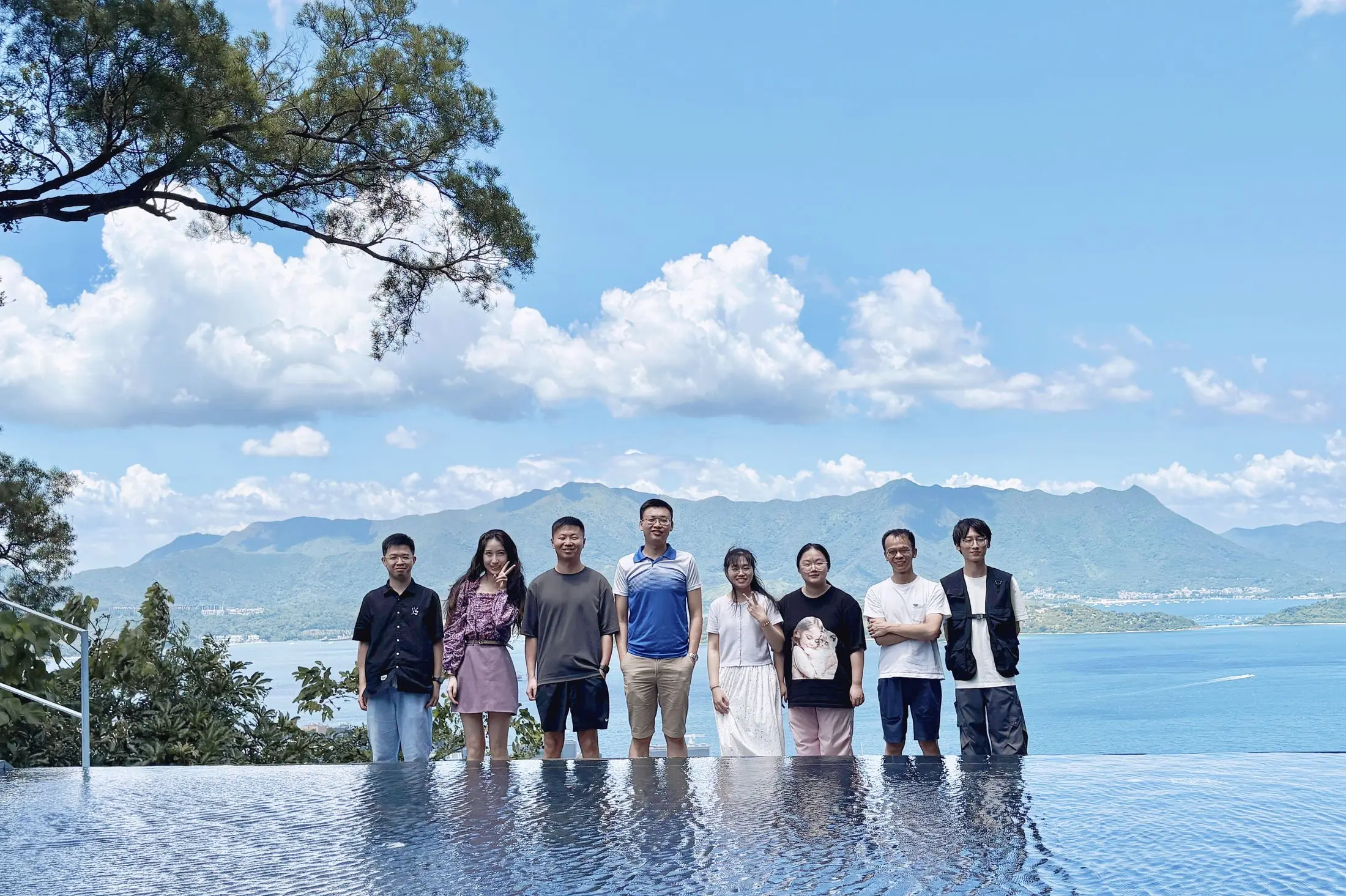
The group on fieldwork, 2025
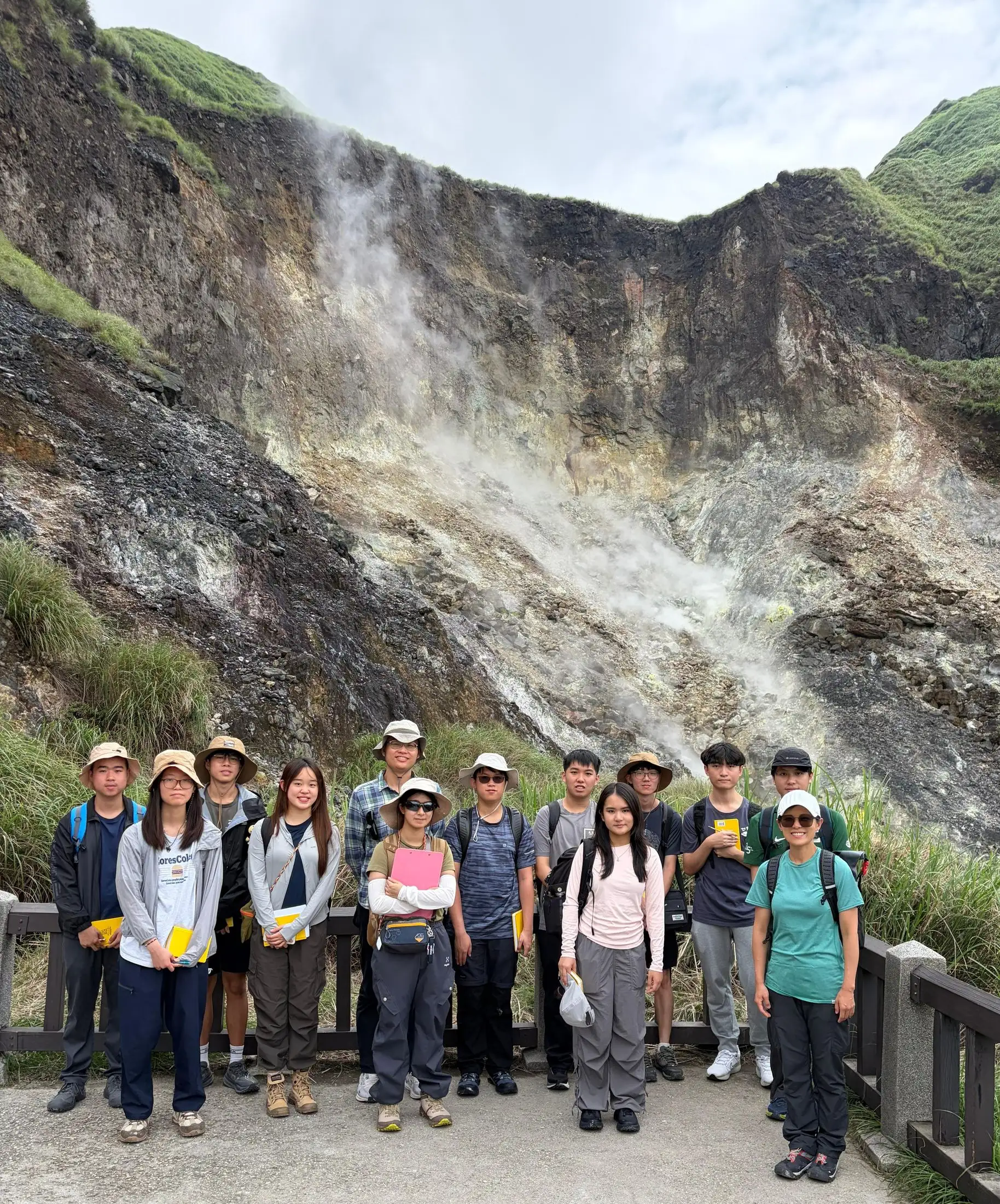
Fumarole field fieldwork, Taiwan
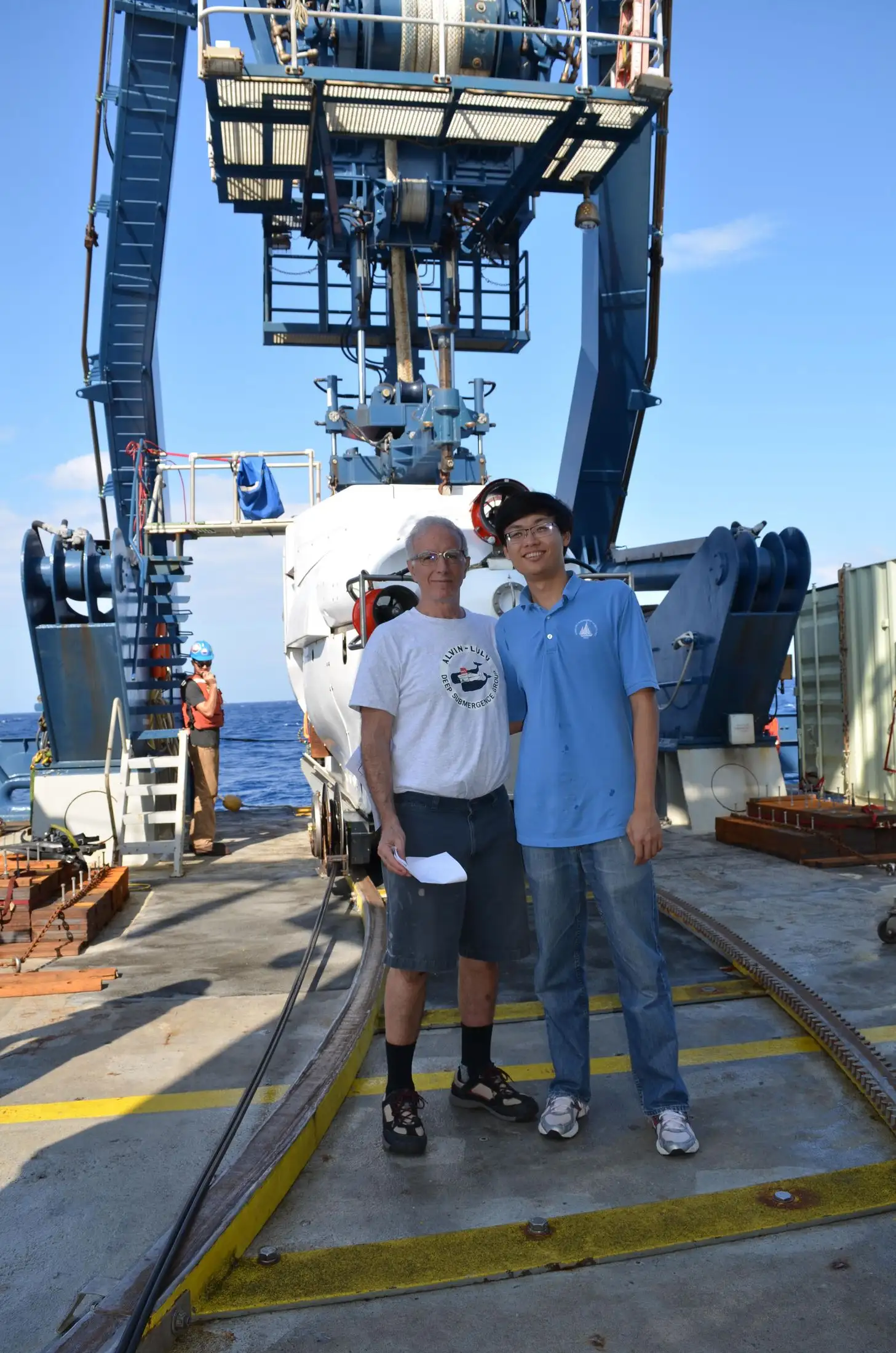
Alongside the submersible Alvin
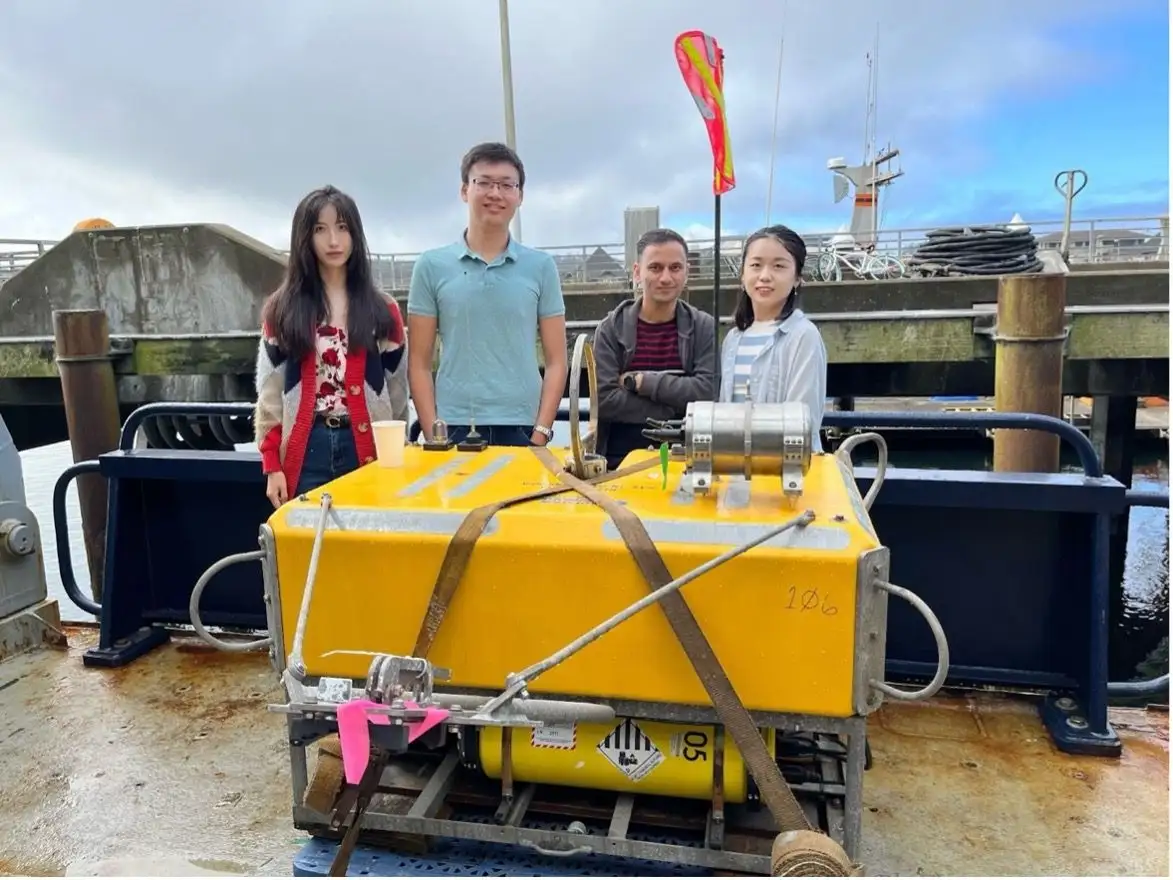
Ocean-bottom seismometer ready for deployment
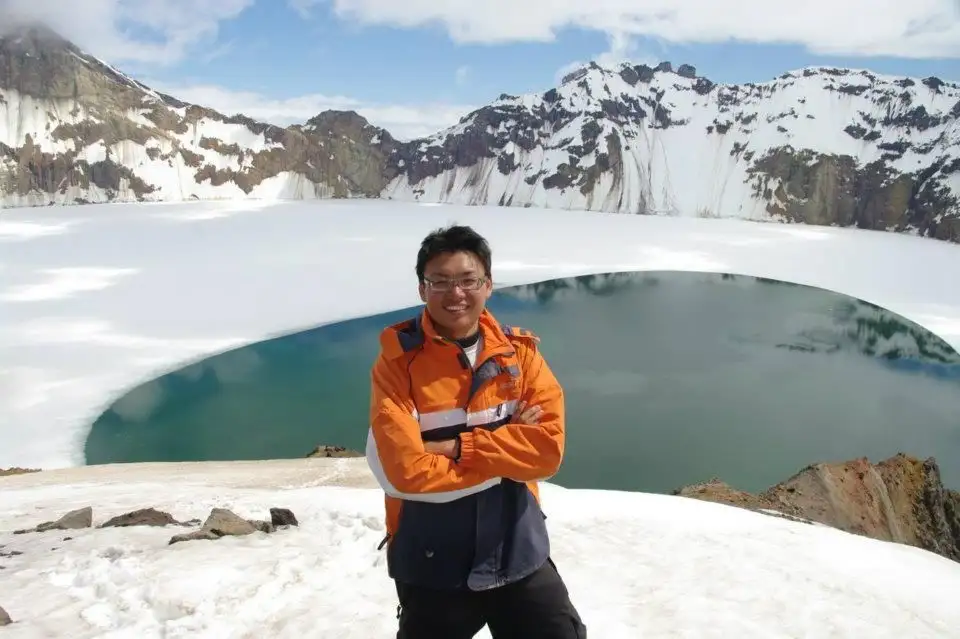
Crater lake survey, Katmai, Alaska
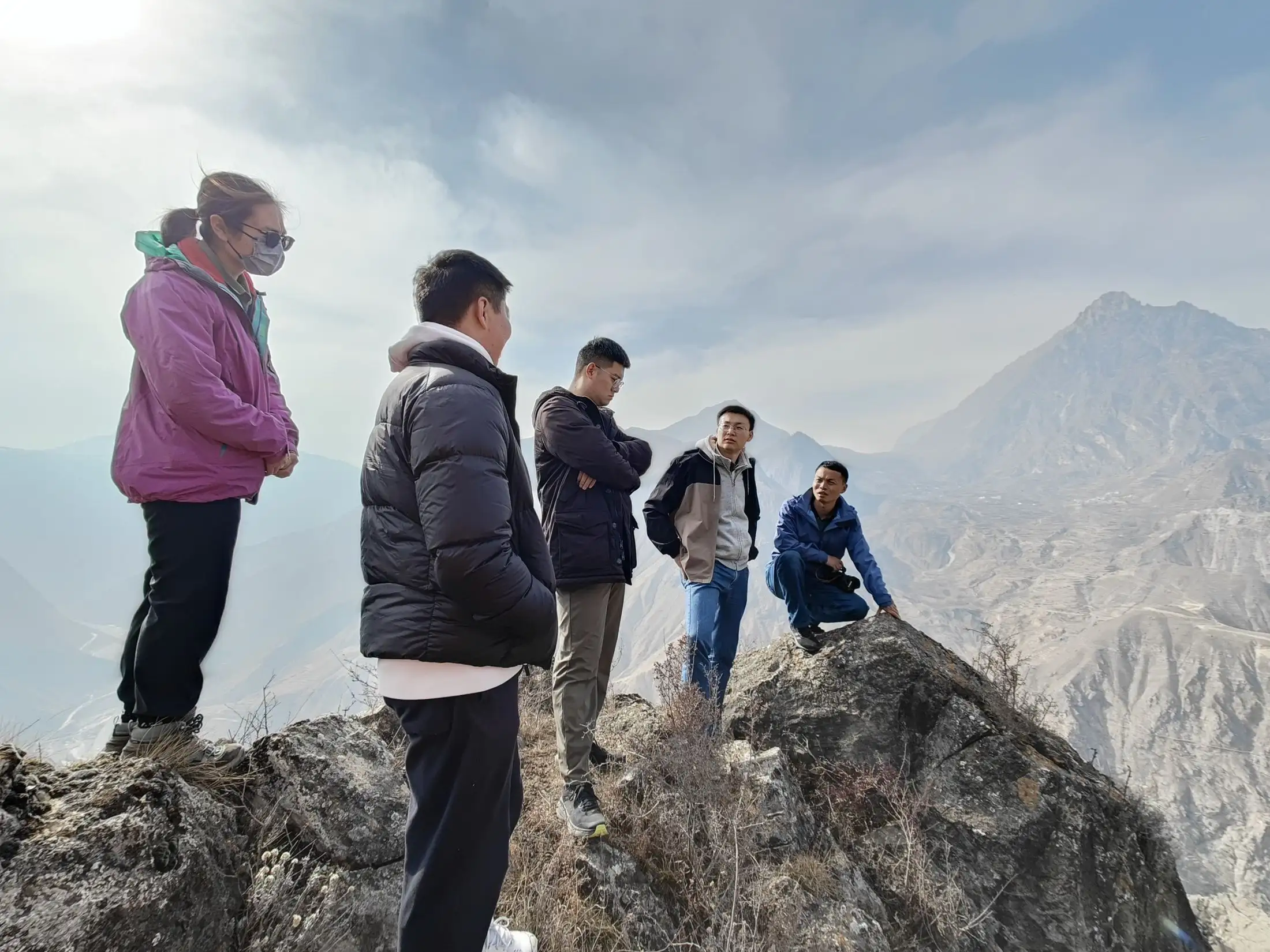
On the ridge above a cloud-filled crater
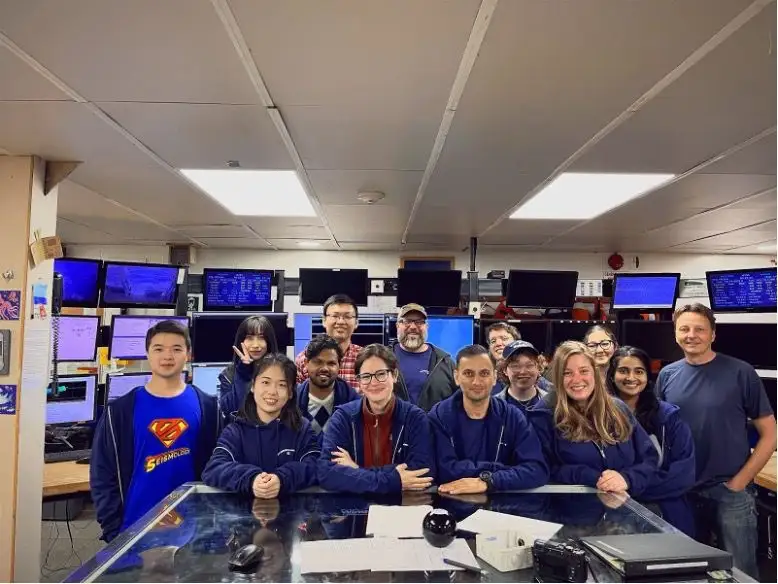
Watch-standing in the shipboard control room
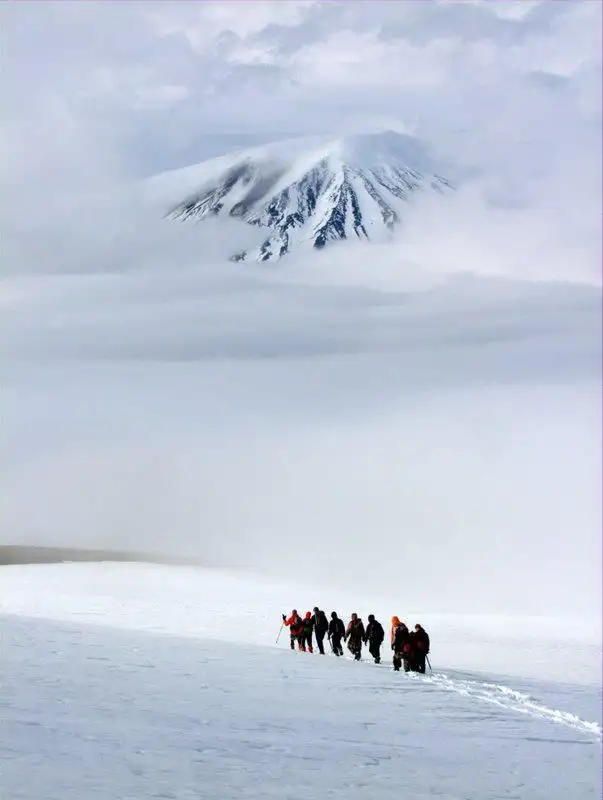
Traverse below Trident Volcano, Alaska
News
In the news
XInSAR
NC:长周期微地震揭示火山喷发前的隐蔽流体活动 — at XInSAR, opens in a new tab
A Chinese-language geodesy digest covers our work pairing a high-resolution seismic catalogue with ground deformation data, which exposes hidden fluid movement before the 2018 Sierra Negra eruption.
地刊速览
Geology:海底火山喷发前,地下熔体的活动路径 — at 地刊速览, opens in a new tab
A Chinese-language journal digest covers our Geology paper on the paths molten rock takes underground in the run-up to a submarine eruption.
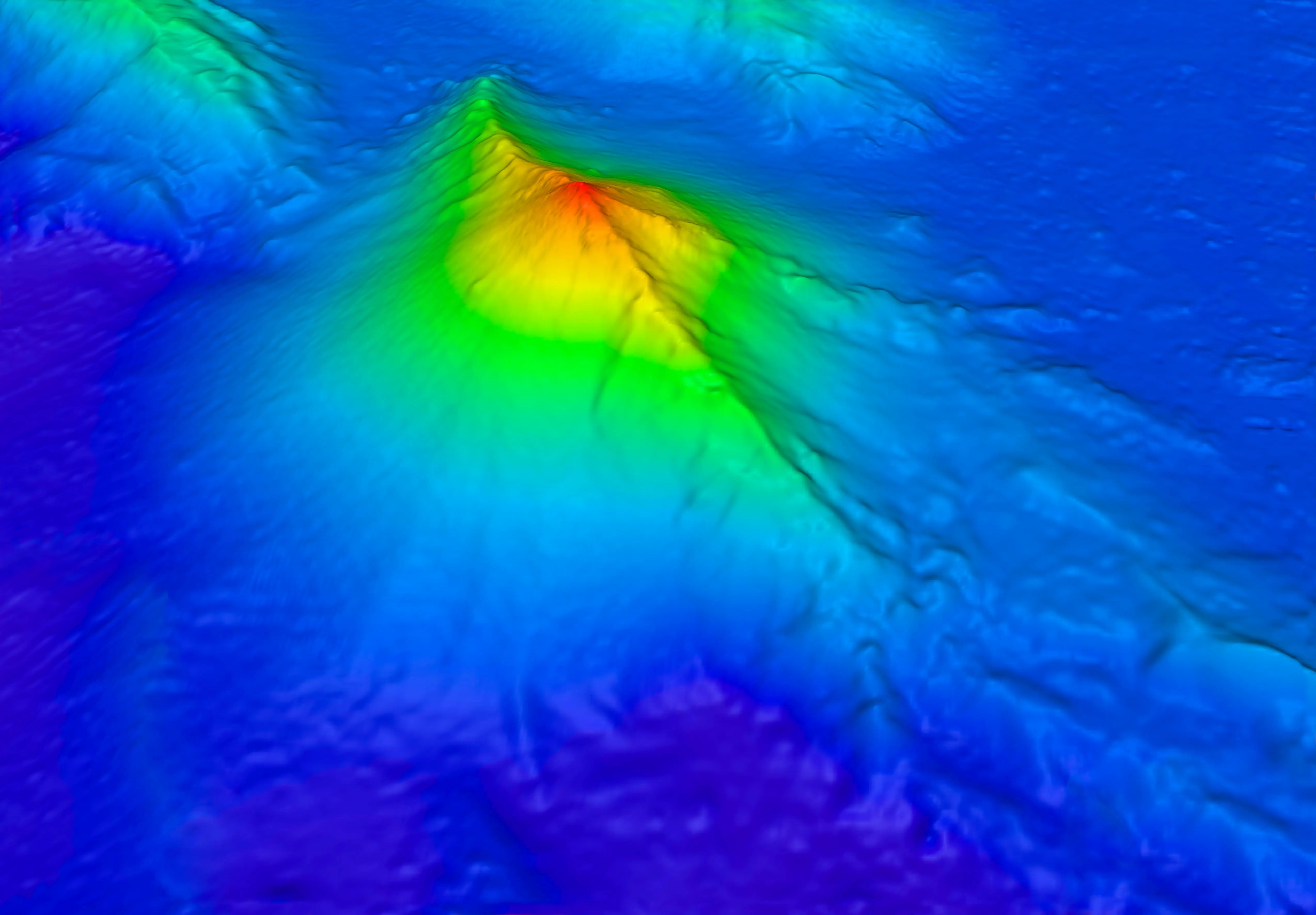
Image: Science Photo Library
Croucher Foundation
Listening to lava reveals the ocean's hidden volcanic eruptions — at Croucher Foundation, opens in a new tab
Croucher News asks Prof. Tan how his team traced strange underwater popping sounds to steam bubbles imploding as lava meets seawater, which turns a hydrophone into a way of watching submarine eruptions from far away.
Publications
Recently published
2026Geophysical Research Letters
Large earthquakes along the Mendocino oceanic transform fault hardly have any foreshocks (PDF, opens in a new tab)
#Liu, H., ^Liu, M.*, and Tan, Y.J.*
2026Geology
Migrating tremors indicate the activation of distributed melt bodies days before the 2015 Axial Seamount eruption (PDF, opens in a new tab)
^Zhu, J., Tan, Y.J.*, #Zhong, Y., Tolstoy, M., Waldhauser, F., and Wilcock, W.S.D.
2026Nature Communications
Long-period microseismicity reveals cryptic earthquake-triggered fluid activity can facilitate caldera eruptions (PDF, opens in a new tab)
#Song, Z., Bell, A.F.*, LaFemina, P.C., Butcher, S., Ruiz, M., Hernández, S., Gregg, P.M., and Tan, Y.J.*
Get in touch
Our group is always looking for excellent students and postdocs. Please reach out if you think we would be a good fit.
Yen Joe Tan, Ph.D.(陳衍佐)
Associate Professor
Room 309 (Lab 4), 3/F, Mong Man Wai BuildingThe Chinese University of Hong Kong
Sha Tin, New Territories, Hong Kong SAR